



- Your cart is empty Browse Shop
Hydroponics Farming Tips and Tricks: A Comprehensive Guide for Commercial Success
In the rapidly evolving landscape of modern agriculture, hydroponics has emerged from a niche hobby into a cornerstone of the global food supply chain. As traditional farming faces challenges from climate volatility and soil degradation, ajvac.in is committed to exploring technology-driven solutions that ensure food security and premium quality.
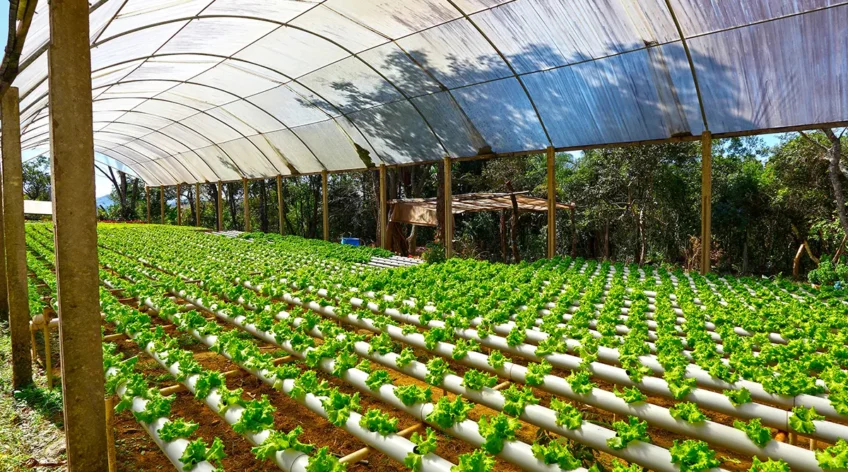
Hydroponics—the method of growing plants in a nutrient-rich water solution without soil—offers unprecedented control over the growing environment. However, transitioning from a small-scale setup to a profitable B2B operation requires more than just water and seeds; it requires a mastery of chemistry, engineering, and biology. This guide provides the essential tips and tricks to optimize your hydroponic farm for maximum yield and professional-grade quality.
1. Choosing the Right System for Your Crop
The first “trick” to hydroponic success is matching the system to the specific physiological needs of the plant. Not all hydroponic methods are created equal.
- Deep Water Culture (DWC): Best for leafy greens like lettuce and spinach. The roots are submerged in highly oxygenated water. Tip: Ensure your air pumps are industrial-grade; oxygen deprivation in the root zone is the leading cause of crop failure in DWC.
- Nutrient Film Technique (NFT): Ideal for herbs and strawberries. A thin film of nutrient solution flows over the roots. Trick: Maintain a slight slope (about 1:30 to 1:40 ratio) in your channels to prevent “pooling,” which can lead to root rot.
- Dutch Bucket System: The gold standard for larger, fruiting plants like tomatoes, cucumbers, and peppers. Tip: Use perlite or expanded clay pebbles as a medium to provide the structural support these heavy plants need.
2. Master the Chemistry: pH and EC Management
In soil-based farming, the earth acts as a buffer. In hydroponics, you are the buffer. Understanding pH (Acidity/Alkalinity) and EC (Electrical Conductivity) is non-negotiable.
The pH Sweet Spot
Most hydroponic crops thrive in a slightly acidic environment, typically between 5.5 and 6.5. If the pH drifts outside this range, “nutrient lockout” occurs. Even if the nutrients are present in the water, the plant cannot absorb them.
- Pro Tip: Always calibrate your digital pH meters weekly. Atmospheric CO2 can dissolve into your reservoir, naturally lowering the pH over time. Use “pH Up” or “pH Down” solutions sparingly; stability is more important than a “perfect” number.
We have covered many special events such as fireworks, fairs, parades, races, walks, awards ceremonies, fashion shows, sporting events, and even a memorial service.Lorem ipsum dolor sit amet, consectetur adipiscing elit. vestibulum rhoncus, dolor eget viverra pretium, dolor ellus aliquet nunc,
Understanding EC (Electrical Conductivity)
EC measures the concentration of salts (nutrients) in your water.
- The Trick: Different growth stages require different EC levels. Seedlings need a low EC (0.8–1.2), while heavy-fruiting tomatoes might require an EC as high as 2.5–3.5. Over-feeding is a common mistake that leads to “nutrient burn.” Always “feed low and go slow.”
3. Water Quality: The Foundation of the Farm
Since water is the primary medium, its initial quality dictates your success.
- The Filtration Trick: Never use untreated tap water for commercial hydroponics. Chlorine and chloramines used in city water can kill beneficial microbes and damage sensitive root tissues.
- Reverse Osmosis (RO): For B2B operations, investing in an RO system is essential. It provides a “blank canvas,” allowing you to add back precisely the minerals your specific crop needs without reacting with existing impurities in the water.
4. Oxygenation and Water Temperature
A common oversight in hydroponics is ignoring the temperature of the nutrient reservoir.
- The 18-22°C Rule: Water holds the most dissolved oxygen when it is cool (between 18°C and 22°C). If the water temperature rises above 24°C, its ability to hold oxygen drops significantly, and it becomes a breeding ground for Pythium (Root Rot).
- The Trick: In warmer climates like Kerala, utilize water chillers or bury your main reservoirs underground to utilize the earth’s natural geothermal cooling.
5. Lighting: Simulating the Sun
A common oversight in hydroponics is ignoring the temperature of the nutrient reservoir.
- The PAR Trick: Don’t measure “brightness” (Lumens); measure PAR (Photosynthetically Active Radiation). Plants only use specific wavelengths of light for photosynthesis.
- LED vs. HID: While LED lights have a higher upfront cost, their ability to produce specific “light recipes” (more blue for vegetative growth, more red for flowering) and their lower heat output make them the superior choice for modern B2B scaling.
6. Pest and Disease Management in a Soiless Environment
While hydroponics eliminates soil-borne pests, it is not immune to infestations. In fact, in a closed-loop system, a disease can spread to every plant in hours.
- Biosecurity Tips:
- Footbaths: Anyone entering the grow area should step into a sanitizing solution.
- Sticky Traps: Use yellow and blue sticky traps as early-warning systems to detect aphids or thrips before they become a plague.
- Beneficial Microbes: Introduce Trichoderma or Bacillus subtilis to your reservoir. These “good” fungi and bacteria colonize the roots and act as a biological shield against pathogens.
7. Scaling for B2B: Automation and Data
To transition from a farm to a business, you must remove human error.
- The Automation Trick: Use automated dosing systems that monitor pH and EC 24/7 and inject nutrients or acids as needed. This ensures the plants never experience a “stress event.”
- Data Logging: Track every variable—humidity, temperature, CO2 levels, and nutrient consumption. Over several harvest cycles, this data allows you to “dial in” the perfect environment, ensuring that your B2B clients receive the exact same quality of produce every single time.
8. Environmental Control: VPD (Vapor Pressure Deficit)
Experienced hydroponic growers don’t just look at humidity; they look at Vapor Pressure Deficit (VPD). VPD measures the difference between the pressure inside the leaf and the pressure in the air.
- The Pro Trick: If the VPD is too low, the plant stops transpiring and won’t take up nutrients. If it’s too high, the plant closes its stomata to save water and stops growing. Maintaining a VPD of 0.8–1.2 kPa for vegetative growth and 1.2–1.5 kPa for flowering is the secret to explosive growth rates.
9. Pruning and Airflow: The “Hidden” Yield Boosters
In a high-density hydroponic setup, airflow is your best friend.
- Airflow Trick: Use horizontal airflow fans to ensure there are no “dead zones” where humidity can build up on the leaf surface. This prevents powdery mildew and strengthens the plant stems.
- Pruning: Regularly remove lower, shaded leaves (“lollipopping”). This directs the plant’s energy toward the top canopy where light is strongest, increasing the percentage of “A-Grade” produce.
10. Conclusion: The Future is Soiless
Hydroponic farming is an exacting science, but the rewards—up to 10x higher yields per square foot and 90% less water usage—are undeniable. For businesses looking to partner with ajvac, understanding these nuances is key to appreciating the premium quality we strive for in every agricultural project.
By mastering the balance of nutrients, light, and environment, hydroponic farmers can produce crops that are not only faster-growing but also more nutrient-dense and flavorful than their soil-grown counterparts. Whether you are starting a container farm or a multi-acre greenhouse, let these tips and tricks be the foundation of your high-tech harvest.